Embalming appears in Scripture only in Egypt, serving preservation while biblical hope rests in Jehovah’s resurrection promise.
Embalming in Scripture: Egypt’s Preservation Customs and the Biblical Hope of Resurrection

Updated American Standard Version
Giving Bible readers what God said not what translators think God meant
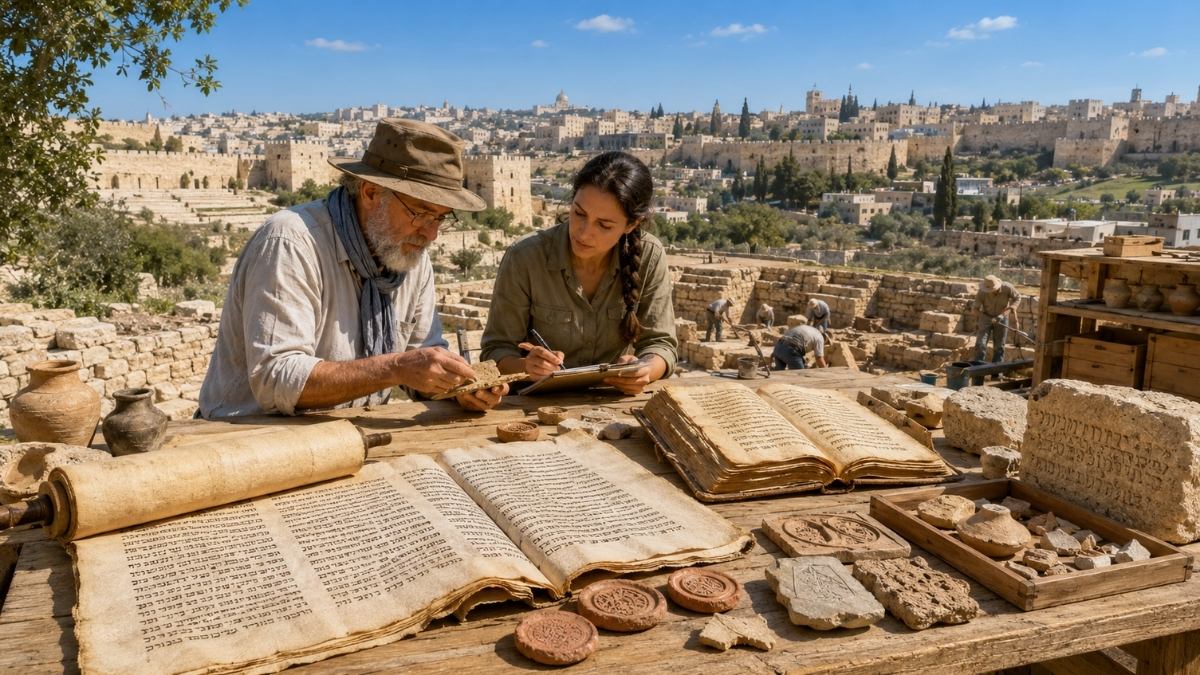
Explore New Testament events through archaeology, inscriptions, artifacts, and historical records that illuminate Jesus, the apostles, and early Christianity clearly.
Embalming appears in Scripture only in Egypt, serving preservation while biblical hope rests in Jehovah’s resurrection promise.

Burial in Bible times expressed honor, covenant faith, family continuity, and confidence in Jehovah’s power to raise the dead.

First-century synagogues were centers of Scripture, prayer, teaching, discipline, and Messiah proclamation throughout Israel and the Diaspora.

Paul’s voyage to Rome on Alexandrian grain ships reveals the historical precision of Acts and Jehovah’s sovereign rule over sea, empire, and witness.

Acts 21 reflects a real temple law: Gentiles could enter the outer court, but crossing the inner barrier brought the threat of death.

Pontius Pilate condemned Jesus the Messiah under Roman pressure, yet Jehovah used that unjust sentence to accomplish the ransom.

The Pharisees and Sadducees opposed one another, yet both resisted Jesus Christ because He exposed their traditions, unbelief, and hunger for power.

John the Baptist was killed by Herod Antipas after rebuking his unlawful marriage, revealing the cost of prophetic faithfulness.

Agabus foretold a great famine in the days of Caesar Claudius, and the early Christians answered the crisis with prophetic faith and practical love.

Claudius expelled Jews from Rome, and that decree moved Aquila and Priscilla into Paul’s path, strengthening the historical reliability of Acts.

