Newly exposed Byzantine churches, baptisteries, and mosaics across Israel and Jordan show how Christianity spread and rooted itself after the apostolic era.
Exposure of Additional Byzantine-Era Churches (2021–2024 – Discoveries)

Updated American Standard Version
Giving Bible readers what God said not what translators think God meant
Explore New Testament events through archaeology, inscriptions, artifacts, and historical records that illuminate Jesus, the apostles, and early Christianity clearly.
Newly exposed Byzantine churches, baptisteries, and mosaics across Israel and Jordan show how Christianity spread and rooted itself after the apostolic era.

Excavations at Khirbet el-Araj reveal a Byzantine basilica over a Roman village, likely biblical Bethsaida and linked to the House of Peter.

Jesus’ vivid illustrations and mighty works reveal the Kingdom’s demands and mercy, confirming Scripture in real places, among real people, with absolute authority.

Jesus’ Galilean ministry unveils His royal authority, cleansing mercy, and urgent call: “Repent, for the Kingdom of Heaven has drawn near.”

Jesus is baptized, anointed by the Spirit, triumphs over Satan, and calls His first disciples—launching the Messianic mission in fulfilled prophecy and truth.

Heaven’s messages direct the birth and early years of Jesus, anchoring the incarnation in real history, precise prophecy, and unshakable hope.

How prophecy, history, and apostolic witness launched Christianity and spread the Gospel across the Roman world under Jehovah’s sovereign plan.

Explore how lessons from Roman history can inform the Christian journey today. Discover parallels and insights that offer guidance for spiritual growth.

This article delves into the intricate historical timeline encompassing Herod's death, Jesus' birth, and a significant lunar eclipse. By weaving together elements of biblical records, Roman history, and astronomical phenomena, we shed light on a compelling part of ancient history. The relationship between these events provides a fascinating glimpse into the chronology of the past.

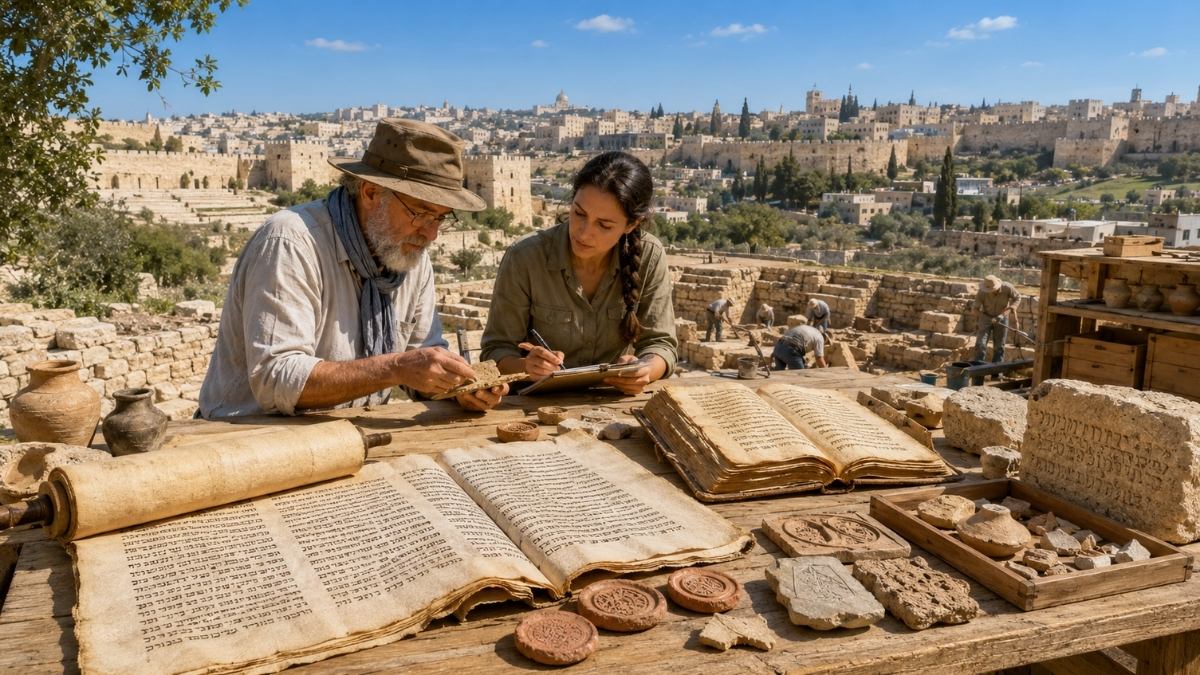
Archaeology is the study of human history and prehistory through the excavation and analysis of artifacts, structures, and other physical remains. When applied to the study of the early church, archaeology can help to trace the beginnings of Christianity and shed light on the practices and beliefs of the first Christians.

