Isaac’s life confirms the fulfillment and continuation of Jehovah’s covenant through promise, obedience, and divine faithfulness.
Isaac: The Son of Promise and the Continuation of the Line

Updated American Standard Version
Giving Bible readers what God said not what translators think God meant
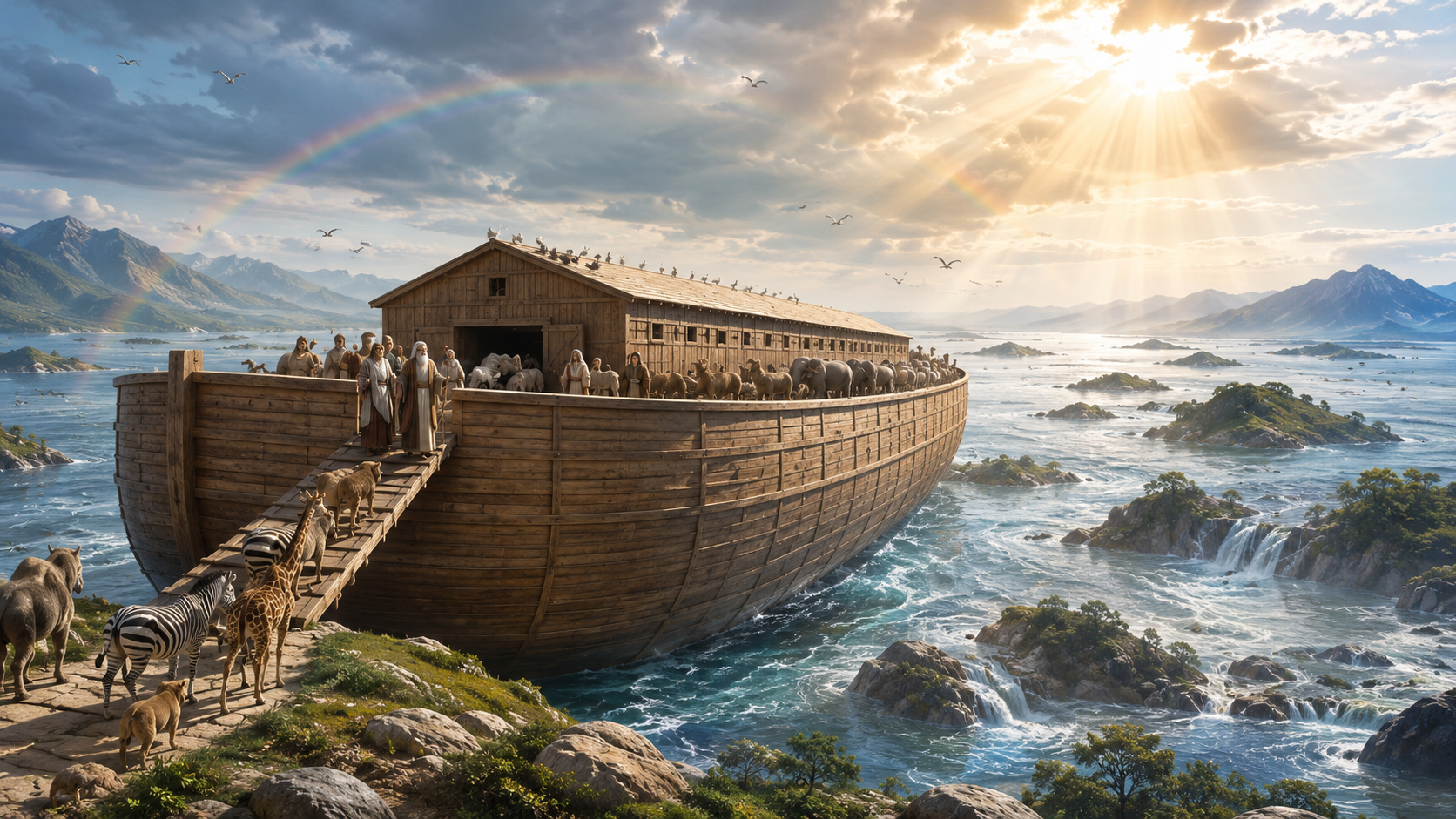
Explore biblical history from the Flood to Israel’s deliverance from Egypt, including Noah, Abraham, the patriarchs, Joseph, bondage, and Exodus.
Isaac’s life confirms the fulfillment and continuation of Jehovah’s covenant through promise, obedience, and divine faithfulness.

From Nabopolassar’s revolt to Nabonidus’s troubled finale, Neo-Babylon rose to dominate the Levant and became the empire of Judah’s exile.

Babylonian religion fused temple, state, and economy, elevating idols, ziggurats, and divination in defiance of Jehovah’s exclusive worship.

From the Flood of 2348 B.C.E. to the covenant of 2091 B.C.E., Genesis traces judgment, renewal, nations, and Jehovah’s call to Abram.

Belshazzar’s sacrilege, Babylon’s sudden fall, and Daniel’s final visions reveal Jehovah’s sovereignty over empires and His promise of restoration.

Nebuchadnezzar II conquered Judah, transformed Babylon with massive building, and was humbled by Jehovah through Daniel’s prophetic witness.

Assyria’s dominance over Babylon bred revolt, hardship, and shifting alliances, but Babylon’s cultural prestige enabled recovery and renewed kingship.

Kassite rulers stabilized Babylon by adopting Babylonian administration, temple economy, and land systems, preparing the stage for later power struggles.

Hammurabi’s code advanced Babylon’s imperial order, revealing a stratified justice that contrasts sharply with Jehovah’s covenant law given through Moses.

Early Mesopotamian dynasties fit Genesis: dispersion after Babel, city-state rivalry in Shinar, and patriarchal life within real urban systems.

