Old Kingdom pyramids reveal Egypt’s centralized bureaucracy, labor mobilization, river-based transport, and royal theology shaping state power.
The Egyptian Old Kingdom: Pyramid Builders and Centralized Power

Updated American Standard Version
Giving Bible readers what God said not what translators think God meant
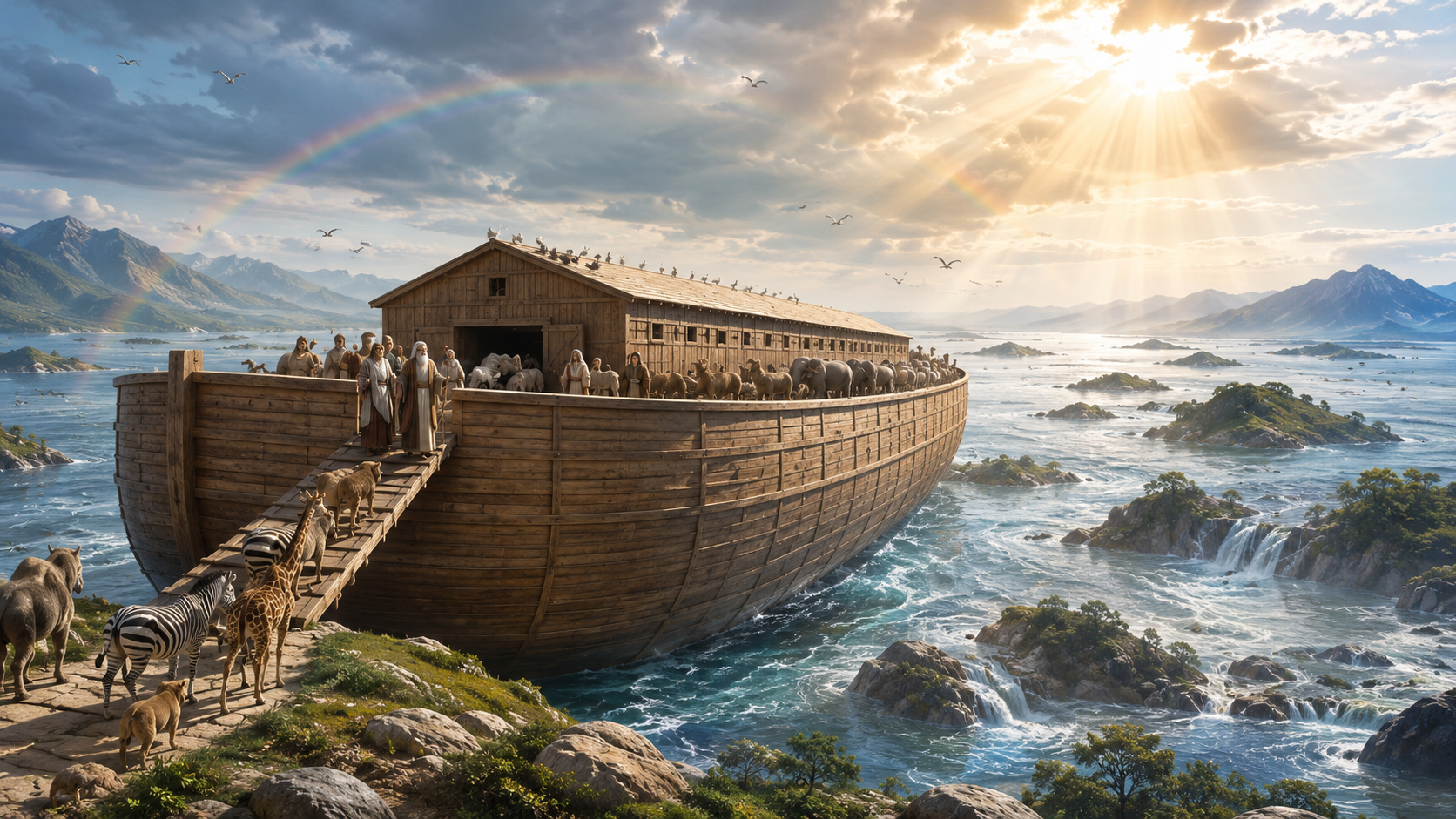
Explore biblical history from the Flood to Israel’s deliverance from Egypt, including Noah, Abraham, the patriarchs, Joseph, bondage, and Exodus.
Old Kingdom pyramids reveal Egypt’s centralized bureaucracy, labor mobilization, river-based transport, and royal theology shaping state power.

Ancient Egypt’s wealth, labor rhythms, and survival depended on the Nile’s annual inundation, canals, and river transport under Jehovah’s sovereignty.

Joseph’s rise to power in Egypt during the famine years reveals how Jehovah preserves His covenant purpose through divine foresight and faithful administration.

Ancient Egypt’s polytheism, priestcraft, magic, animal worship, and funerary obsession illuminate the Exodus conflict with Jehovah and His judgments on Egypt’s gods.

Jacob’s family history records the formation of the twelve tribes and the covenant household’s return to Canaan under Jehovah’s guidance.

The Bible presents the Hittites as Canaanites descended from Heth, tracing their role from Abraham’s purchases to postexilic reforms and prophetic indictment.

Israel multiplied rapidly in Goshen under Jehovah’s blessing, transforming a small family into a people prepared for national deliverance.

Jacob’s family entered Egypt in 1876 B.C.E. under divine direction, preserving the covenant line and preparing for national growth.

Joseph’s descent into slavery and imprisonment became the means by which Jehovah exalted him to preserve the covenant family.

Jacob and Esau’s conflict over birthright and blessing reveals covenant privilege, human failure, and Jehovah’s unwavering direction of the promised line.

