Jehovah confirms His land promise to Abram through a solemn covenant-cutting ritual in Genesis 15:7–11.
Cutting the Covenant: Jehovah’s Solemn Oath in Genesis 15:7–11

Updated American Standard Version
Giving Bible readers what God said not what translators think God meant
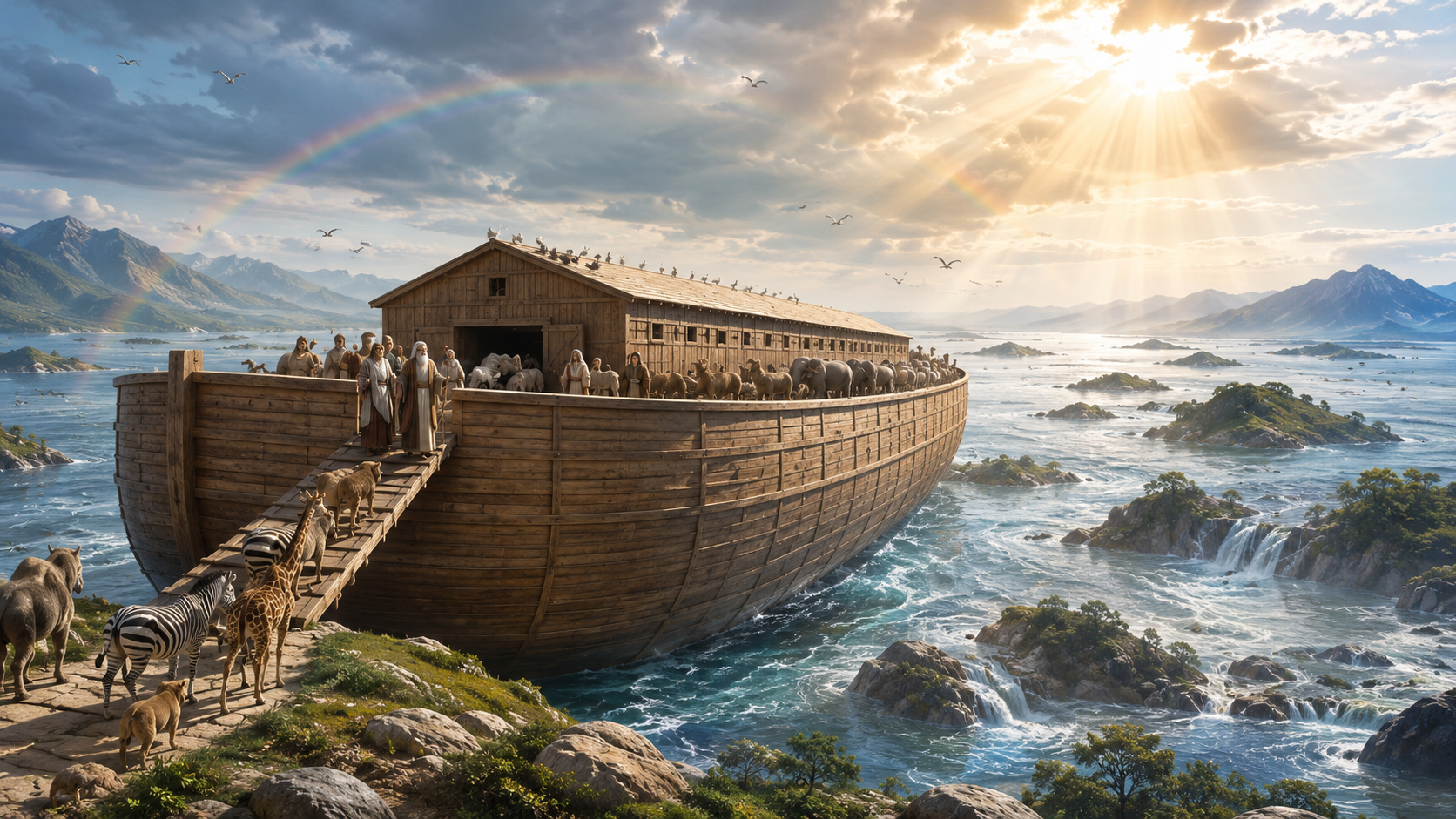
Explore biblical history from the Flood to Israel’s deliverance from Egypt, including Noah, Abraham, the patriarchs, Joseph, bondage, and Exodus.
Jehovah confirms His land promise to Abram through a solemn covenant-cutting ritual in Genesis 15:7–11.

Abram believed Jehovah’s promise of descendants, and Jehovah credited his faith as righteousness, securing the covenant line to Christ.

Abram’s meeting with Melchizedek shows true blessing, priestly authority, and integrity in refusing Sodom’s reward.

Abram’s rescue of Lot in Genesis 14:1–17 reveals real warfare, covenant loyalty, and Jehovah’s providential protection.

Abram’s descent to Egypt reveals famine, fear, Sarai’s danger, Pharaoh’s rebuke, and Jehovah’s faithful preservation of the promise.

Abram’s journey to Hebron reveals faith, separation from Lot, Jehovah’s land promise, and worship at Mamre in Genesis 13:8–18.

Abram’s return to Bethel in Genesis 13:1–7 reveals faith, worship, pastoral conflict, and trust in Jehovah’s promise.

Abram’s journey to Canaan reveals obedient faith, covenant promise, real geography, and worship in the land Jehovah gave to his offspring.

Midian in the Bible reveals kinship without covenant inheritance, Moses’ preparation, Israel’s corruption at Peor, and Jehovah’s judgment and deliverance.

The Sumerians were an early Mesopotamian civilization whose cities, writing, and religion illuminate the Genesis world of Shinar and Ur.

