How scribes, education, and multilingual Greek registers in the Graeco-Roman world shaped copying habits and New Testament textual forms.
Scribes and Language Use in the Graeco-Roman World

Updated American Standard Version
Giving Bible readers what God said not what translators think God meant
Explore the dramatic rise of early Christianity from 29–395 CE. Discover the people, texts, and power shifts that transformed a hidden movement into Rome’s official faith. Note: Articles in this series are published as standalone snapshots and do not follow a chronological order.
How scribes, education, and multilingual Greek registers in the Graeco-Roman world shaped copying habits and New Testament textual forms.

From Nero to Trajan, Roman power tried to crush Christians, yet martyr witness and resurrection hope only strengthened the church’s resolve and identity.

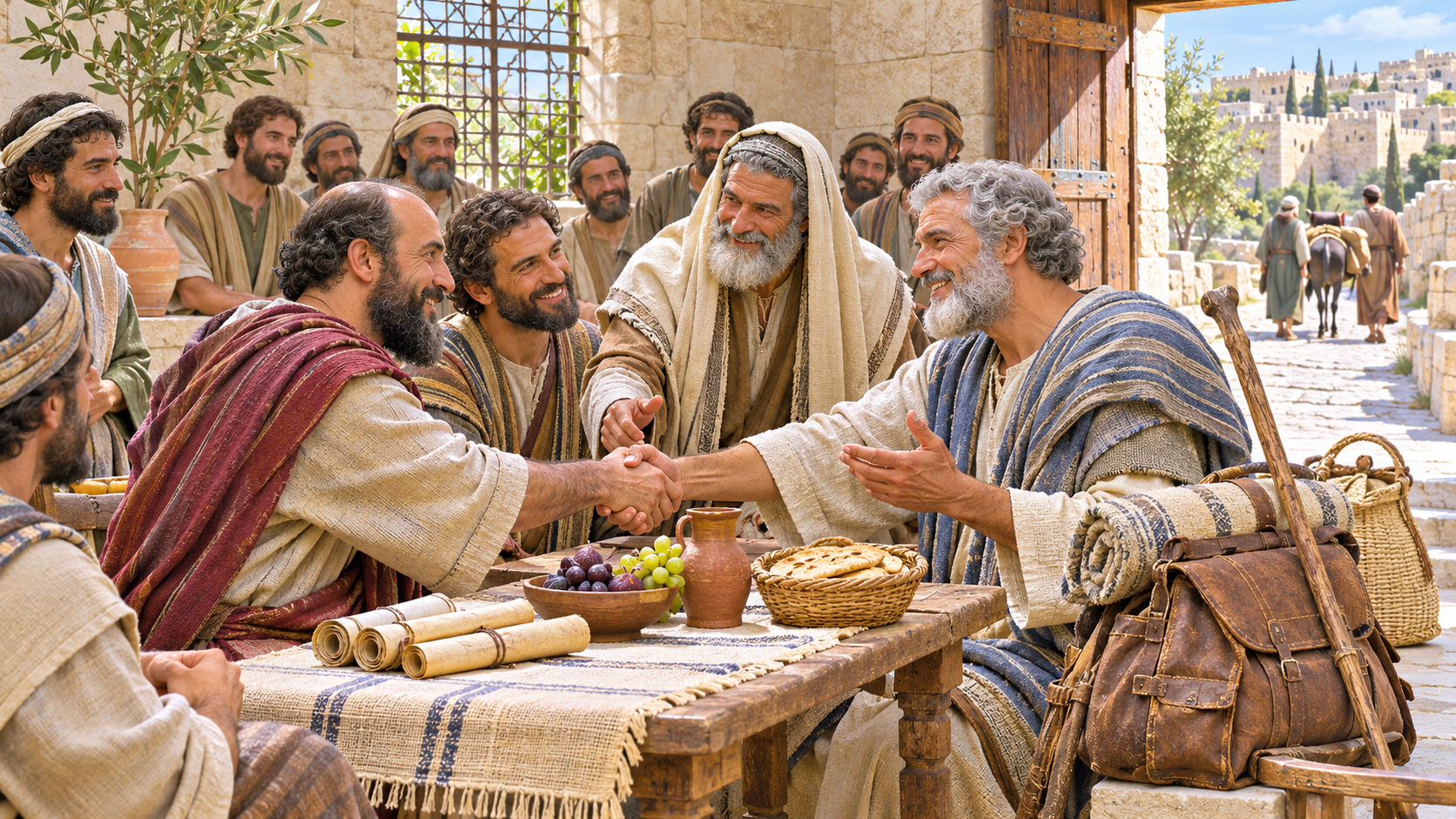
At the Jerusalem Council, apostles affirmed that Jews and Gentiles alike are saved by grace through faith, not the Law, shaping Christian identity for all time.

From Herod’s sword to Roman courts, early persecution scattered believers but only advanced Jehovah’s plan through bold witness and faithful congregations.

From Pentecost onward, Christ used His apostles to found, structure, and protect the early congregations against error as the gospel spread from Jerusalem outward.

From the empty tomb to Pentecost, the risen Christ forms the first Jerusalem congregation through His resurrection, ascension, and Spirit-empowered Word.

The New Testament canon was completed in the first century as Christ spoke through His apostles, whose writings the congregations recognized as inspired Scripture.

From Bethlehem to Calvary, Jesus’ ministry and atoning death reveal Jehovah’s plan to forgive sins and inaugurate the kingdom through His Messiah.

In the fullness of time, Jehovah used Rome, Herod, a virgin in Nazareth, and a manger in Bethlehem to bring His promised Davidic Messiah into the world.

