Second-century struggles, Marcion’s challenge, and the Muratorian Fragment show how the churches recognized and preserved the true apostolic New Testament canon.
Canonical Struggles and the Muratorian Fragment

Updated American Standard Version
Giving Bible readers what God said not what translators think God meant
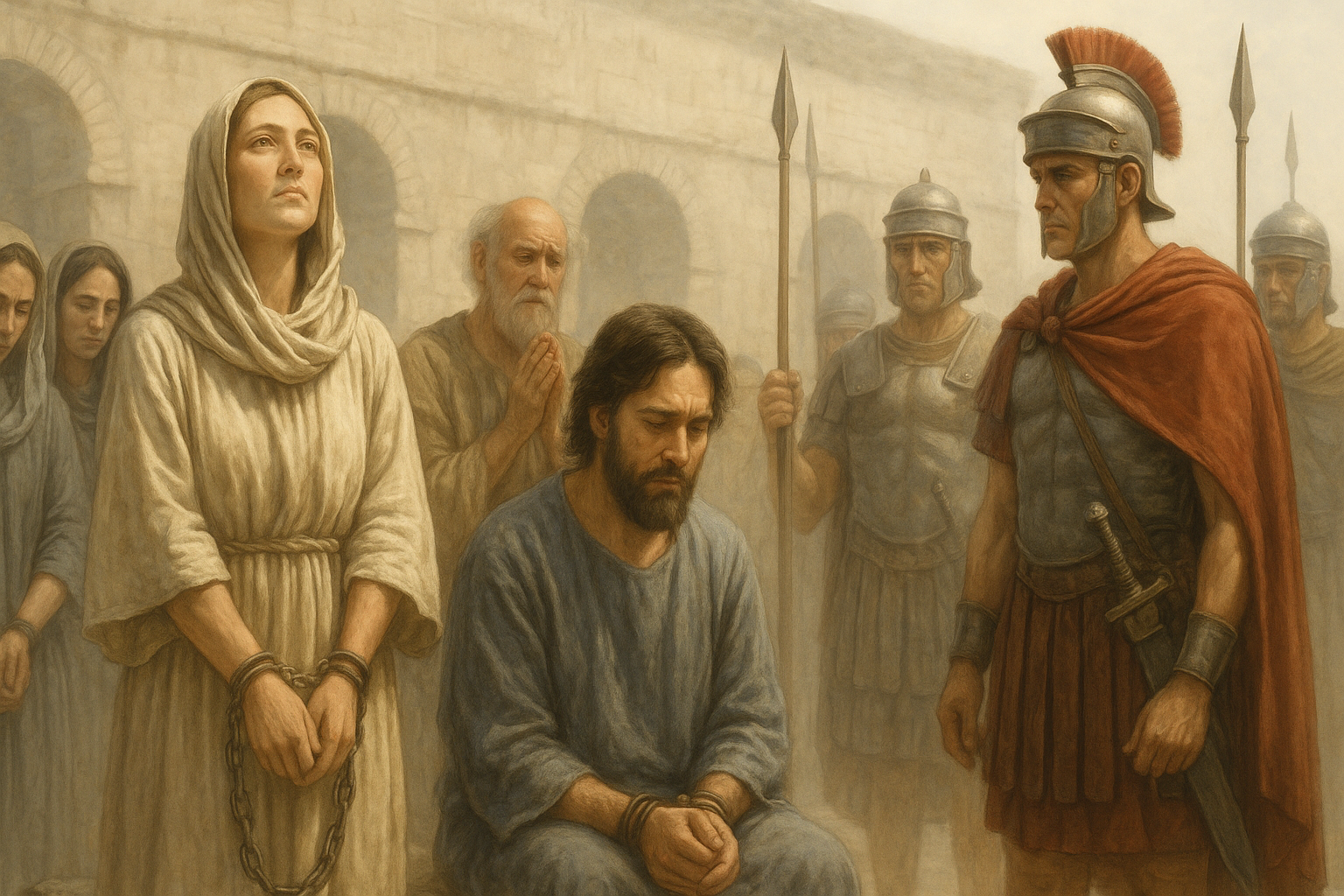
Explore post-apostolic Christianity from 98 to 313 C.E., including doctrinal preservation, persecution, apologetic writings, congregational life, and challenges to purity.
Second-century struggles, Marcion’s challenge, and the Muratorian Fragment show how the churches recognized and preserved the true apostolic New Testament canon.

Alexandria’s allegory and Antioch’s grammatical-historical exegesis shaped early theology, leaving two rival traditions that still influence how Christians read Scripture.

As single-bishop rule spread, hierarchy eclipsed plural eldership, weakening congregational participation and drifting from the New Testament’s simple pattern.

In the Age of Martyrs, church discipline guarded holiness, dealt with the lapsed, and held restoration open to the truly repentant through Scripture-shaped mercy.

From Nero to Trajan, Roman power tried to crush Christians, yet martyr witness and resurrection hope only strengthened the church’s resolve and identity.

Second-century apologists used Scripture, reason, and moral evidence to answer pagan charges, defend monotheism, and shape a mature Christian self-understanding.

Montanism’s ecstatic “New Prophecy” challenged Scripture’s sufficiency and balance, prompting the early church to clarify true prophetic authority.

Greek apologists answered pagan religion and philosophy with Scripture-based, reasoned defenses that clarified and strengthened early Christian identity.

Early Gnosticism, Docetism, and legalism attacked creation, incarnation, and grace. The apostles answered through inspired Scripture that still guards Christian purity.

As the apostles died, leaders like Clement, Ignatius, and Polycarp rose to guard their teaching, guiding the church by Scripture through persecution and change.

