En-dor was a Manassite town near Mount Tabor, remembered for Sisera’s defeat and Saul’s forbidden consultation with a medium.
En-Dor: The Spring Town of Manasseh, Sisera’s Defeat, and Saul’s Rebellion

Updated American Standard Version
Giving Bible readers what God said not what translators think God meant
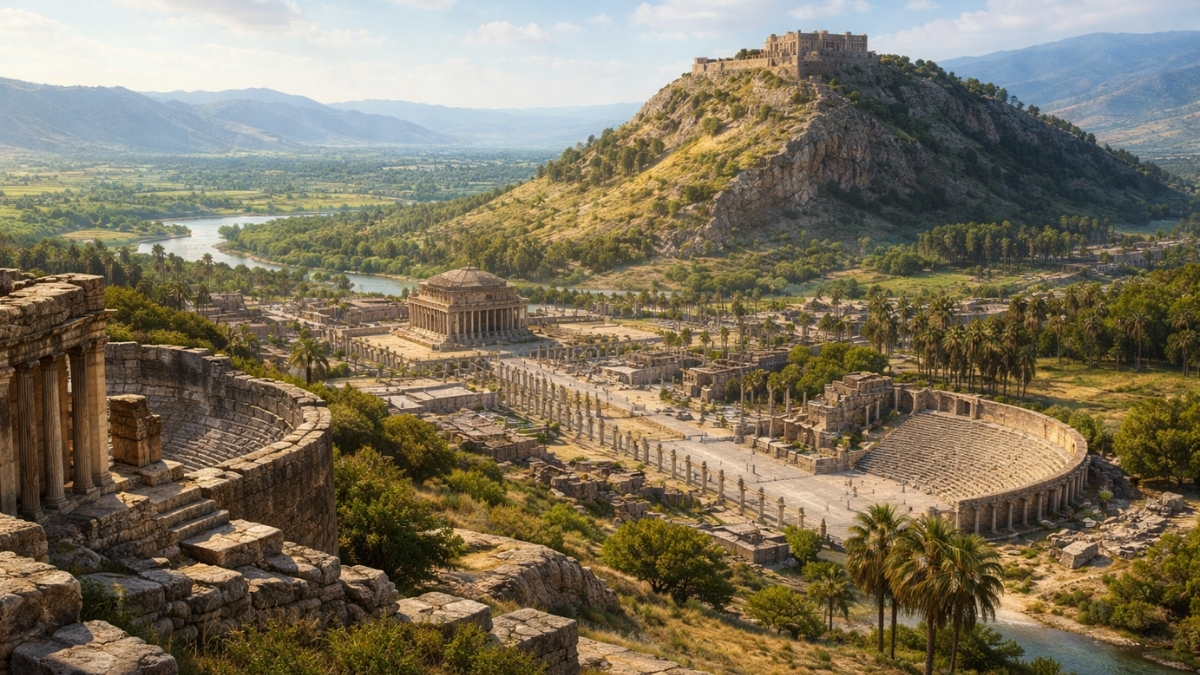
Journey through Places in Old Testament Archaeology. Experience the geographical markers that have shaped our Christian heritage and faith.
En-dor was a Manassite town near Mount Tabor, remembered for Sisera’s defeat and Saul’s forbidden consultation with a medium.

Elusa was the great city of the central Negev, linking Nabataean trade, Roman administration, and Byzantine church life in Israel’s southern frontier.

Elon of Dan was a real frontier town in Israel’s lowland inheritance, tied to Joshua 19:43 and likely preserved in the region of Beth-Shemesh.

Elath was Judah’s strategic Red Sea gateway in Edom, linking wilderness travel, royal trade, frontier warfare, and covenant history.

El Amarna and the Amarna Letters illuminate Akhetaten, Late Bronze Canaan, and the biblical background of Israel’s entry into the land.

Elam stands in Scripture as a real Shemitic people, a real kingdom, and a powerful witness to the historical reliability of the Bible.

Ekron was a major Philistine city whose biblical history and archaeological remains powerfully confirm the reliability of Scripture.

Elephantine was Egypt’s southern frontier island, home to a Jewish garrison whose papyri illuminate law, worship, and life in the Persian age.

Egypt in the Bible is historical, archaeological, and theological, from Joseph and the Exodus to Alexandria and manuscript preservation.

Eglon was both the Moabite oppressor slain by Ehud and a royal Canaanite city conquered by Joshua under Jehovah’s judgment.

